

Omega 3: Fish vs Algae Oil
Omega-3 remains a topic of interest, especially for eye, heart, and brain health, but how you get it from your diet and supplements depends on your lifestyle choices and the options readily available for purchase. Over the last few months, we have tested two options, trialling each for at least 30 days. We chose Nutrition Geeks' Omega 3 from wild-caught, cold-water fish vs DR.VEGAN's 100% plant-based algae oil. This comparison offers high-strength fish oil vs a plant-based algae oil.
Nutrition Geeks
Sourced from certified cold-water fish, these are not suitable for vegans or vegetarians but provide a high total dose of 700mg EPA and 500mg DHA per daily dose. Budget-friendly at around £9.99 for 120 softgels.
DR VEGAN
Derived from algae oil, which has a natural DHA to EPA ratio of 2:1, delivering around 300mg DHA and 150mg EPA per daily dose. Fish oil typically has a higher EPA ratio. Dr Vegan is a sustainable plant-based algae oil, registered with the Vegan Society, free of animal products and fishy aftertaste. Higher cost at around £18 for 30 softgels.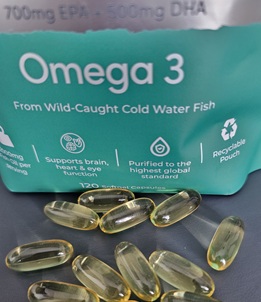
Dr Vegan certainly delivered on the 'no fishy aftertaste' promise, whereas Nutrition Geeks depended on the time of day and on whether taken with enough food to mask any repeats. Prices vary widely, and you should also consider whether you intend to use the supplements for any length of time. Our heart, brain, joints, and even skin all need Omega-3 to thrive. A supplement could help with heart, vision, blood pressure and more, but only in the right dose.
EHA
Eicosapentaenoic Acid is beneficial for optimal health and is found in fatty fish such as salmon and certain fish oils. It is important to look for high-potency, high-quality products that include EPA.
DHA
Docosahexaenoic Acid is equally as beneficial as EPA. A high-quality Omega-3 supplement should include both EPA & DHA to provide full coverage of the benefits.
Fish oil supplements are not a known effective treatment for high cholesterol, and some formulations may actually raise LDL, particularly DHA-rich oils. However, you can eat fish in moderate amounts and obtain other health benefits from different forms of omega-3. ALA (alpha-linolenic acid) is an essential plant-based omega-3 fatty acid found primarily in flaxseeds, walnuts, and chia seeds.
There is so much information around omega-3 oils and where to source them. As always, it is a good idea to speak to a health professional before taking any new supplements, especially if you have concerning health issues or are looking to take very high doses.
There is no single 'golden ratio' of EPA to DHA that fits everyone; instead, the ideal ratio depends entirely on your personal health goals. Both are crucial Omega-3s, but they do different things in the body.
General guidelines typically break down as follows:
- General Wellness: A ratio close to 1:1 or 3:2 (more EPA) is ideal for everyday heart and immune maintenance, mimicking the ratios naturally found in fish like salmon.
- Heart & Inflammation: A 2:1 (or higher) ratio favouring EPA is widely utilised. EPA is highly effective for reducing inflammation and supporting cardiovascular function.
- Brain & Mood: A 2:1 (or higher) ratio favouring DHA is usually recommended. DHA acts as a major structural component of brain tissue and the retina, making it critical for cognitive function and eye health.
- For most adults, mainstream health organisations recommend a combined daily intake of at least 250–500 mg of total EPA and DHA.