

Slow London
Travel writer Debbie North spent 36 hours in London, taking the time to change the pace and see some of the delights the City has to offer, especially routes that were accessible for wheelchair users...
The funny thing about visiting London for the first time is that you arrive armed with a list longer than your train ticket, determined to see everything the capital has to offer. Markets, museums, famous landmarks, hidden pubs and iconic bridges all become part of a frantic blur of Tube maps, crowded pavements and aching feet. By the end of it, you have technically 'done London', but somehow you have not really 'felt it'. I learnt that lesson the hard way.
Now, whenever I visit London, I slow down. I plan less, wander more and allow myself time to absorb the city instead of racing through it.
London rewards patience. Beneath the endless traffic and hurried commuters lies a city full of hidden corners, fascinating history and surprising moments of calm. This particular trip centred around a stay at Leonardo Royal Hotel London Tower Bridge; a little touch of luxury in the heart of the capital. Less than fifteen minutes on the direct Underground line from King's Cross St Pancras station to Tower Hill station, and importantly for accessibility, both stations are wheelchair accessible.
From the moment I arrived, the hotel felt welcoming. The entrance was modern and stylish, but it was the staff who really made the difference; friendly, patient and genuinely helpful without ever being overbearing. My room on the tenth floor offered incredible views across to the ancient walls of the Tower of London and the unmistakable outline of Tower Bridge. Watching the city lights begin to glow over the Thames in the evening felt wonderfully indulgent.
One of my favourite discoveries was completely accidental. Tucked beside the old Roman wall near the hotel sat Leo's restaurant, hidden away from the constant hum of London life. Sitting outside there on a mild evening, surrounded by centuries of history while traffic echoed in the distance, felt like pressing pause on the city.
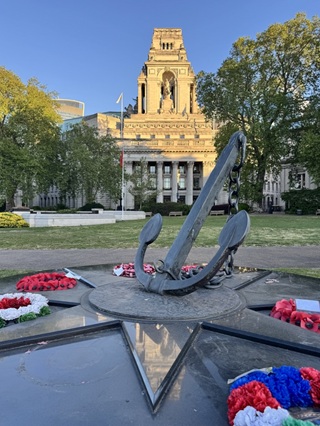
London does not immediately reveal its quieter side; you have to slow down enough to notice it. Just a few metres from the hotel, beside Tower Hill Underground Station, is a small park that many people probably walk straight past. Yet it is one of the most peaceful places in the area. A quiet bench beneath rustling trees somehow softens the city around you. Within these gardens stands the moving Tower Hill Memorial in Trinity Square Gardens.
Unveiled by Queen Mary in 1928, it commemorates the men and women of the Merchant Navy and Fishing Fleets who died during both World Wars and who 'have no grave but the sea.' Standing amongst thousands upon thousands of engraved names is incredibly humbling.
Nearby lies another reminder of London’s darker history - the Tower Hill execution site. An estimated 125 people were executed here, many of them prisoners from the Tower itself. Most people rush past without even realising its significance, but stopping to read the memorial changes the atmosphere entirely. Suddenly, the city feels heavier with history.
A visit to the Tower of London itself had always been on my list, yet somehow, I had never properly explored it. Like many visitors, I had previously admired it from the outside, taken the obligatory photograph and moved on. This time was different. This time, I slowed down.
For wheelchair users, visiting a site nearly a thousand years old naturally comes with challenges. No amount of modern planning can entirely smooth away centuries of history - nor should it. Part of the magic of the Tower is that it still feels ancient beneath your feet. And beneath your wheels, too. The cobbles are everywhere, uneven and unforgiving at times, so be prepared for a bumpy ride. However, real thought has clearly gone into improving accessibility without intruding on the historical setting.
A long stretch of smooth pathway now runs through parts of the grounds, helping wheelchair users and mobility scooters navigate more comfortably. In true London fashion though, the biggest challenge was often weaving around crowds of tourists standing in the middle of the path, staring up at the battlements. Still, accessibility here feels thoughtful rather than forced. 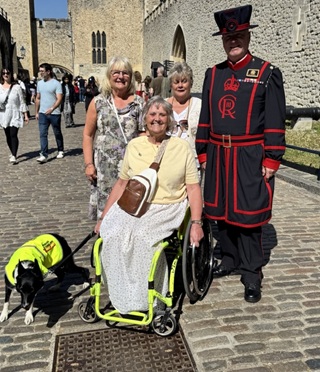
The highlight of the visit was undoubtedly the Crown Jewels exhibition. Like everyone else, I had heard about them for years, but nothing prepares you for seeing them glitter under the carefully controlled lighting. To prevent visitors from blocking the displays, a slow-moving travelator carries people gently past the exhibition cases. It works brilliantly.
One small moment during the visit stayed with me more than the jewels themselves. My assistance dog was understandably hesitant about stepping onto the moving walkway, unsure of the constantly shifting floor beneath her paws. Without hesitation, a member of staff immediately stopped the travelator and encouraged us to walk through at our own pace. It was such a simple gesture, but it made all the difference.
That is often what true accessibility looks like. Not dramatic redesigns, but small acts of understanding that help people feel comfortable and included. Inside the chapel, discreet elevators have also been installed, allowing access to areas that would once have been impossible for many visitors to reach. Again, it has all been done respectfully, preserving the atmosphere and history of the building, while making it accessible to more people.
Leaving the Tower behind, we wandered across Tower Bridge. Despite countless visits to London over the years, I realised I had never actually walked across it before. That is the beauty of slowing down. When you stop rushing between attractions, you begin creating memories instead of simply collecting photographs. Standing halfway across Tower Bridge, watching boats glide along the Thames while London shimmered around us, became one of those unexpectedly perfect moments.
Our evening then moved from history to complete indulgence with dinner at Aqua Shard inside The Shard. From the 31st floor of the UK's tallest building, London unfolded beneath us in every direction. This was very much a once-in-a-lifetime treat to celebrate a friend's special birthday. And yes, you absolutely need a healthy budget to eat there. But sometimes experiences matter more than price tags. Beautifully crafted dishes arrived looking almost too good to eat, while cocktails appeared like miniature works of art. 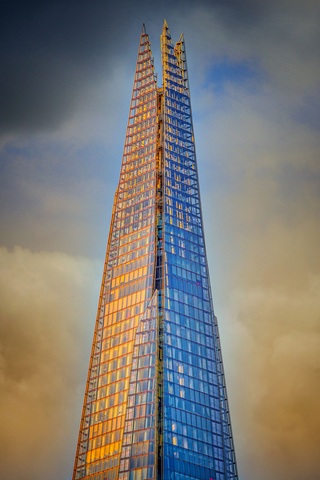
The following morning brought one of the most enjoyable parts of the trip, travelling along the Thames on the Uber Boat by Thames Clippers to Greenwich. It is honestly one of the cheapest and most relaxing ways to see London. The running commentary points out famous landmarks along the river, turning simple transport into a sightseeing experience. Watching the city drift by from the water offers an entirely different perspective.
Our destination was the National Maritime Museum, which deserves enormous praise for its commitment to accessibility and inclusion. Accessible toilets, wheelchair-friendly cafés and gift shops, and a welcoming layout all help make the museum easier to navigate. What stood out most was the museum’s commitment to neurodiverse visitors. Staff receive autism training, there is a dedicated SEND coordinator, and the museum received an Autism Friendly Award from the National Autistic Society in 2025. A Changing Places facility is also available within the Sammy Ofer Wing, helping ensure more visitors can enjoy the museum comfortably and with dignity.
Of course, no trip to Greenwich would be complete without wandering through Greenwich Market. Full of colour, creativity and community spirit, the market is packed with stalls selling everything from antiques and handmade crafts to artwork, clothing and food from around the world. It is impossible not to slow down there. You find yourself chatting with traders who clearly love what they do, browsing quirky treasures you never knew you needed, and somehow leaving with heavier bags than when you arrived. Eventually, we boarded the Uber Boat once more and headed back towards Westminster Pier, watching the landmarks glow in the late afternoon light before taking the direct Underground train back to King's Cross.
Thirty-six hours in London. Not rushed. Not exhausting. Not a frantic checklist of famous landmarks. Just enough time to slow down, look closer, and properly experience the capital city.