

100km in Six Days: The Challenges and Rewards of a Long-Distance Hike
100km in Six Days: The Challenges and Rewards of a Long-Distance Hike
Six days, 100 kilometres and countless aching muscles later, I can safely say that long-distance hiking is one of the most rewarding challenges I have ever undertaken. Fresh from completing Austria's 10 Lakes trail through the Salzkammergut region, I discovered that resilience and a willingness to embrace discomfort matter just as much as fitness. 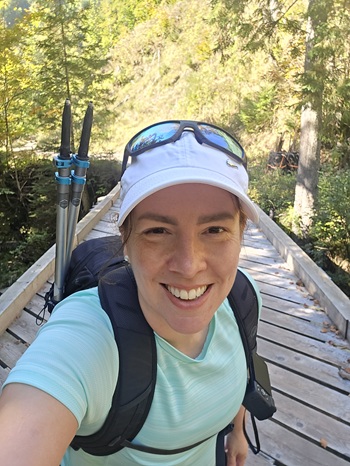
What is considered a long-distance hike?
There is no official definition of a long-distance hike. It is generally accepted that any hike covering a significant distance over several days and requiring overnight accommodation is considered a long-distance hike.
An unforgettable experience
When I first signed up, I had no idea what I was letting myself in for. I am a keen hiker, but I had never attempted such a distance in only six days.
By the second day, my legs were screaming for a rest, and I felt as if my body had been cut in half at the waist. Every kilometre felt harder than the last, and a part of me wondered how I'd manage another day. Yet somehow my mind didn't stop. The scenery, the sense of adventure, and the desire to see what came next were enough to keep me moving forward. I ended up walking myself fit.
Before I started walking this route, I wondered if, after the second day, my body might give up and refuse to move, but I woke up the next day asking, "How far are we walking today?" and off I would go. Every day revealed something new, making it impossible to give up.
Having the right kit makes everything possible
Prepare for all conditions. Knee supports and lightweight telescopic walking poles made things so much more manageable.
Pack good quality hiking boots and walking socks, along with a medical kit. Deep heat and Ibuprofen were lifesavers.
Carry plenty of water, snacks and a supportive backpack; this is important, given the distances being covered.
Layers matter, especially in the higher mountain passes, so come prepared.
We used a navigation app on our mobiles, but we also had a backup paper map. Take a charged power bank and share your location and anticipated return time with an emergency contact in case of an emergency. Check in with them as soon as you can. 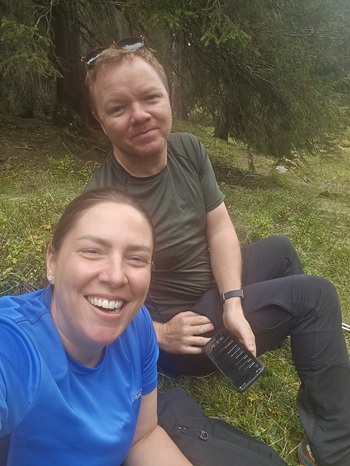
Preparation we made for this challenge
There is no mental preparation that can prepare you for the realities of a long-distance hike. A positive mindset, a good level of cardio fitness, and a willingness to just get out there are key. I keep my knees strong because I sometimes suffer from knee pain, so I train to be as strong as possible. In truth, nothing prepares you for the reality of hiking 100km.
Our challenges
Route planning, transport connections, language, navigation, logistics and weather all played their part for us. Every evening became part of that challenge, as we needed to prepare for the following day, navigating bus timetables, often in German. No sooner had we unlaced our boots than we found we were planning the next day. Every day, blisters were a large part of our discomfort.
Tips and advice for those seeking a long-distance hike
- My best advice is to move fast and light.
- Spend the evening before planning tomorrow's hike, especially if it involves bus connections. You need to consider your logistics carefully because you do not want to encounter problems, especially if hiking out of season when bus timetables are reduced.
- Make sure you leave enough time in the day to cover the planned distance, especially during the winter months when daylight hours are shorter.
- Track sunrise and sunset times daily.
- Keep the food simple and limit alcohol. A celebratory drink after a long hike is sometimes much needed, but keep alcohol to a minimum. Hiking on a hangover is uncomfortable and unsafe.
- Stay hydrated during the hike, and make sure you have applied suncream and are wearing a cap to protect yourself.
- Eating is a delicate balance. Too much food, you'll feel bloated; not enough, and you don't have the energy for the distance.
- The small things really matter; a warm hot shower and a comfortable bed!
- As soon as you stop, the tiredness hits you, and you can struggle to last past 9 pm.
The many rewards that come
The sense of achievement and pride that you feel cannot be put into words. I could not believe how much my body was capable of. What seemed unachievable at the start was within easy reach after only a couple of days of hiking. Having the chance to explore a place more deeply made this experience special. Each day showed us something different – a new landscape, mountain hut, and new people to connect with. We experienced an abundance of Austrian hospitality.
Completing 100 kilometres in six days taught me far more than I expected. It wasn't just a physical challenge, but a lesson in resilience, preparation and perseverance. There were moments when my legs ached, and my energy faded, but far more moments of wonder, achievement and discovery. Long-distance hiking may push you beyond your comfort zone, but that is precisely where the greatest rewards are found.